Waukegan HVAC guidance
Plan the mechanical system around a house that has already lived through a hundred-plus winters, not a spec sheet.
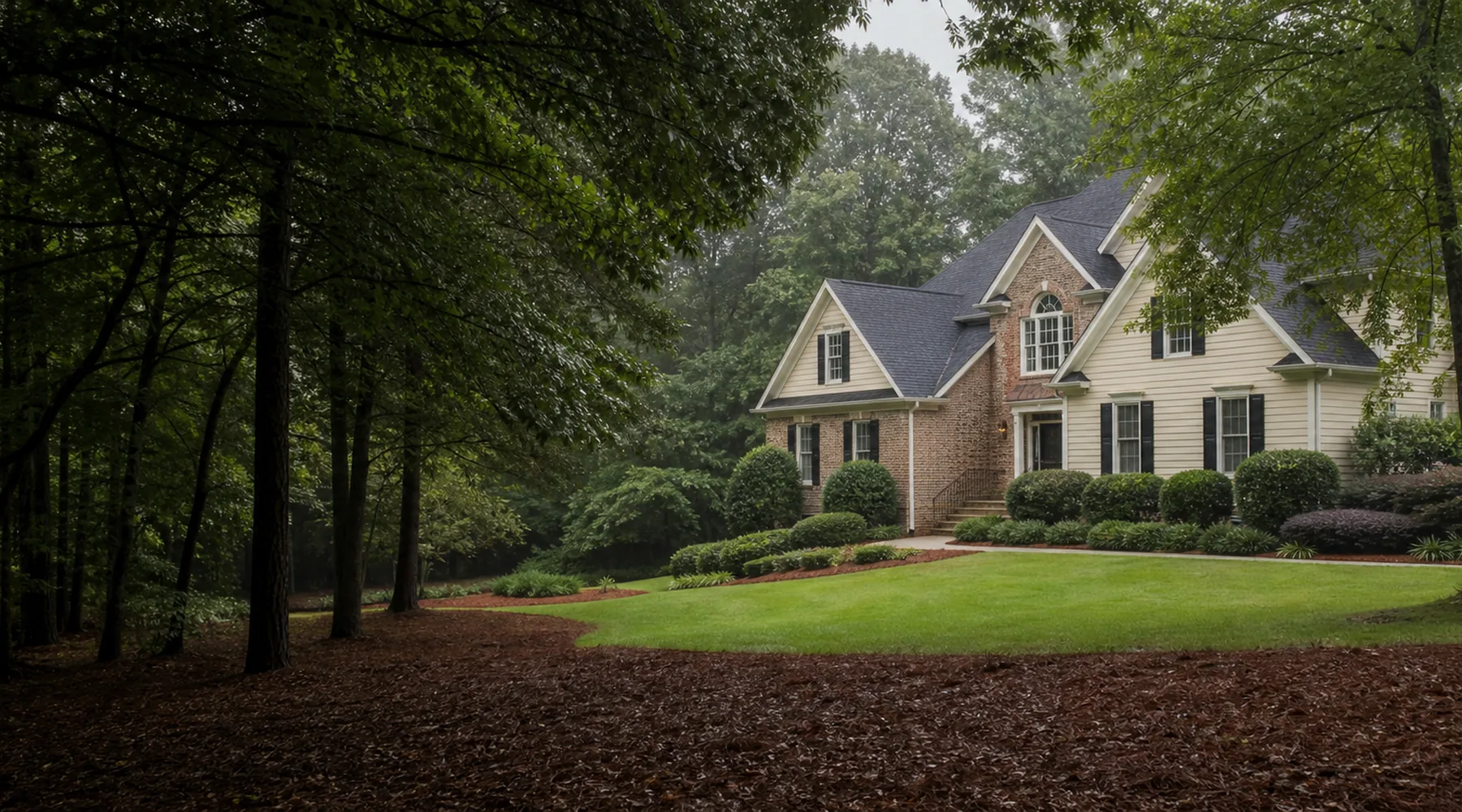
Waukegan's lake-effect climate — humid summers and cold, damp winters off Lake Michigan — puts real load on heating and cooling systems, and the city's housing stock spans enough eras that duct layout and equipment sizing rarely follow one template: 1840s-to-early-1900s homes near the Near North Historic District, postwar construction further from downtown, and continued new building today all call for different approaches to comfort and airflow.
An independent matching service, not a contracting company. Who's available depends on the request.
Built around local conditions
The house and site are part of the scope.
The real diagnostic list runs longer than one part number: equipment age and condition, duct leakage, airflow balance, humidity control, insulation, electrical capacity, and comfort room by room.
For most heating and cooling work this requirement simply does not apply, and it is more useful to say so than to imply a permit hurdle that is not there. The Watershed Development Ordinance governs regulated development and work in the floodplain or floodway; replacing a furnace or an air handler inside the house engages ordinary mechanical permitting instead. Where it can matter is outdoors and at grade: setting or relocating a condenser pad on a parcel inside a mapped flood hazard area is site work, and on a property near one of the city's ravines that is worth confirming first. There is also a practical reason to know the flood status regardless -- equipment set low on a parcel that takes water has a predictably short life.
Review local sources →Project paths
Start with the work you are considering.
The work that lasts
Details hidden later deserve attention now.
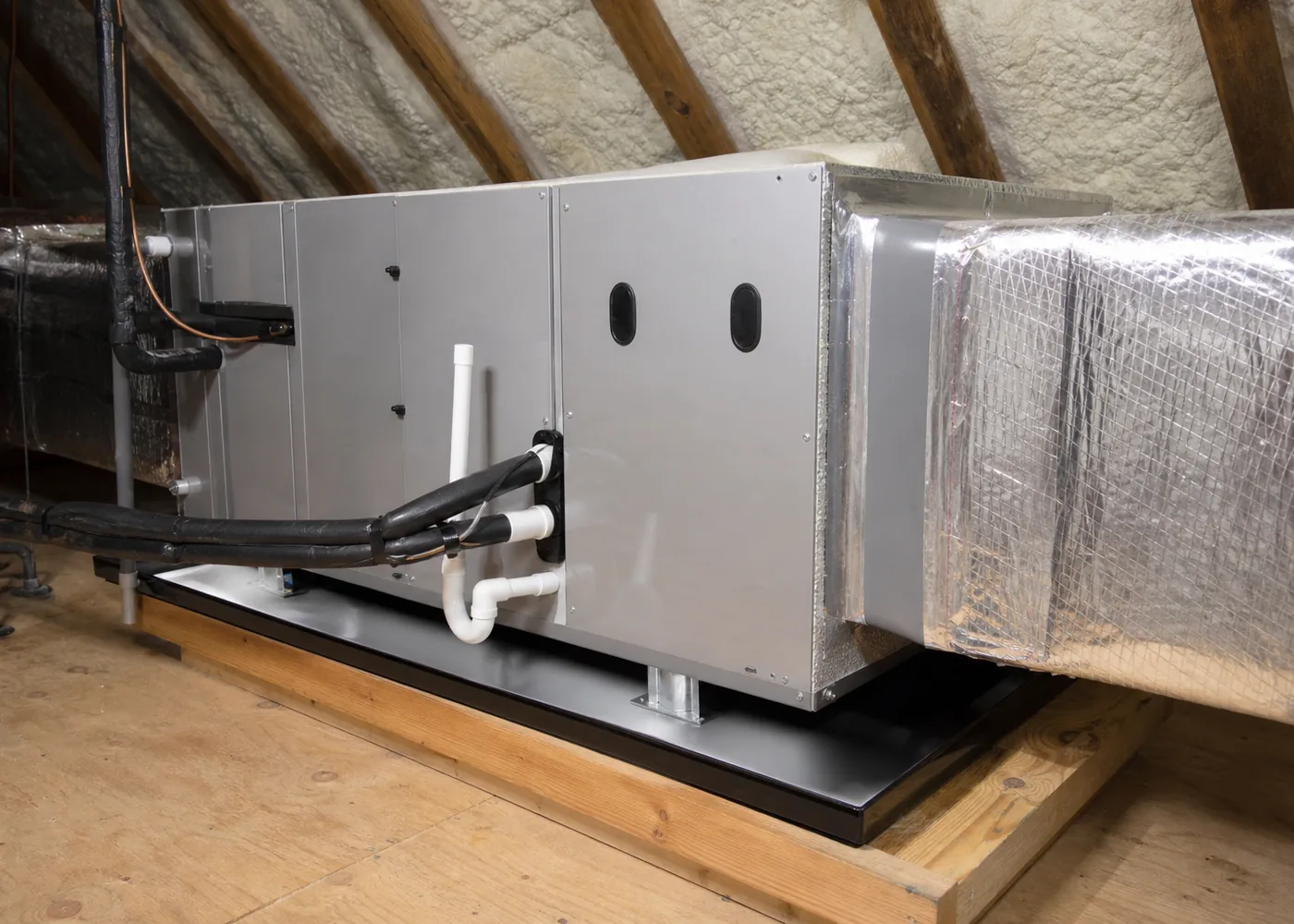
The real diagnostic list runs longer than one part number: equipment age and condition, duct leakage, airflow balance, humidity control, insulation, electrical capacity, and comfort room by room.
See a sensible project process →Local housing context
“Waukegan started as a French trading post the Potawatomi and early settlers called Little Fort, visited by explorer Jacques Marquette as early as 1673. Little Fort became the seat of newly formed Lake County in 1841, and its population jumped from 150 to 750 between 1844 and 1846 alone. On March 31, 1849 residents renamed the town Waukegan — the Potawatomi word for 'fort' or 'trading post' — and incorporated it; the 1855 arrival of the railroad turned it into a working Lake Michigan port city, and it was chartered as a city in 1859 with a population of 2,500.”
What actually drives price
Look past the bottom-line number.
Site access, the condition behind the walls, equipment and material choices, permitting, testing, disposal, and restoring finishes afterward all push a quote up or down.
Before we connect you
A better first message gets a better first call.
What you send here may go to an independent provider working in or around Waukegan — details help them respond usefully.
Before you call
Three things to settle first.
Is this company the one doing the work?
No — this is an independent lead-generation and matching website, not a contracting company.
Will you guarantee I get matched?
No. Matching depends on which independent providers are actually available near Waukegan when you inquire.
Can you just tell me a price now?
No. A fair number needs a look at the house, the access, and the scope you're actually requesting.